

7 Top Staffing Agencies for Temporary Nursing Leadership in Minnesota
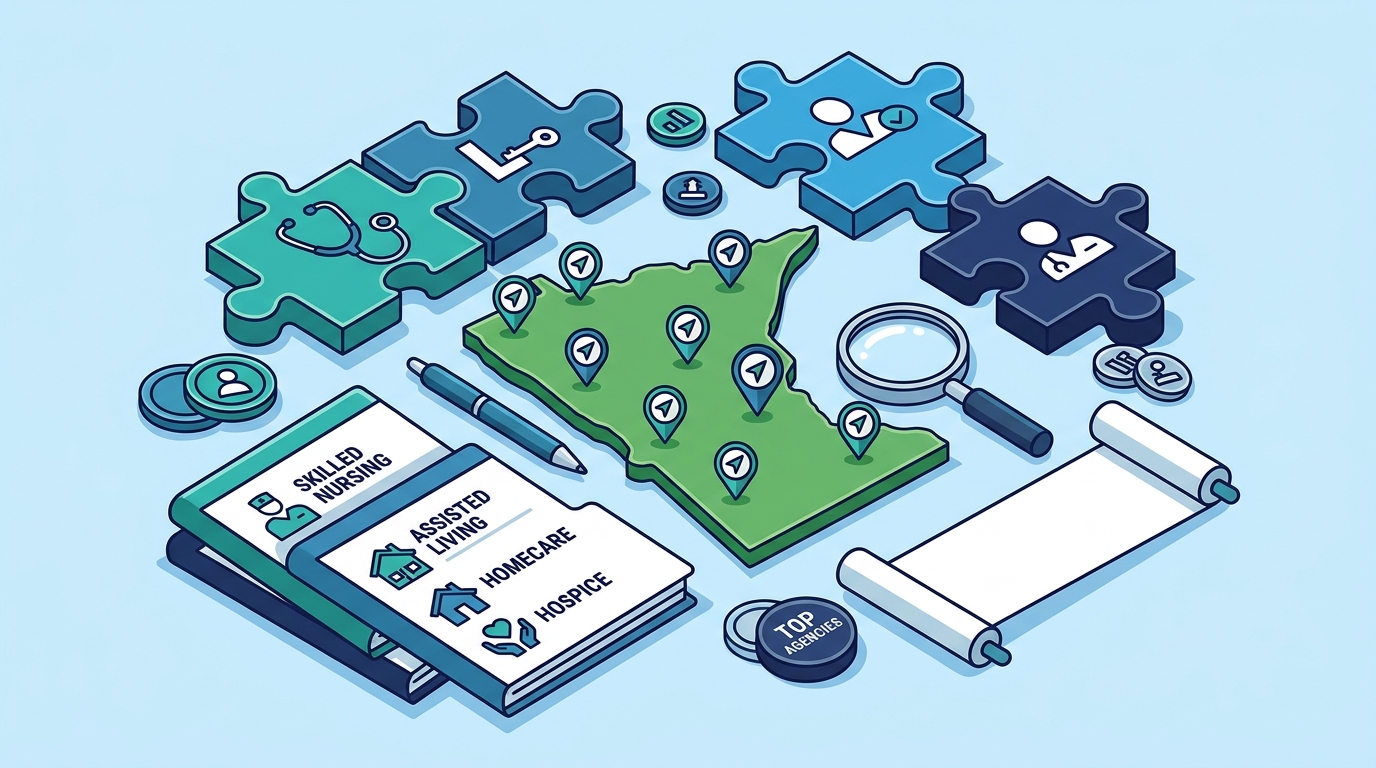
Minnesota healthcare facilities face persistent staffing challenges that require reliable, experienced leadership. Senior Care Solutions provides expert interim nursing leaders and supplemental staff to maintain high-quality care during transitions. This list highlights key agencies and the specific leadership roles they offer to support skilled nursing, assisted living, homecare, and hospice operations across the state.
1. Senior Care Solutions
Comprehensive interim leadership and consulting for post-acute care. Senior Care Solutions specializes in providing experienced interim Directors of Nursing, Administrators, and Nurse Managers. Their team brings deep knowledge of federal and state regulations, reimbursement rules, and facility operations to stabilize care environments.
2. Interim Director of Nursing Services
Specialized nursing leadership for skilled nursing facilities. A Traveling Director of Nursing provides temporary nursing leadership during periods of transition, such as a leadership vacancy or medical leave. These professionals ensure that clinical documentation, quality measures, and survey preparation remain on track while the facility searches for a permanent hire.
3. Assisted Living Executive Support
Executive Directors and Directors of Health Services for assisted living. Agencies offer interim Executive Directors (LALD) and Directors of Health Services (DHS) to maintain high standards during leadership changes. This support is critical for facilities that need to navigate regulatory compliance and resident satisfaction metrics without interruption.
4. Homecare and Hospice Administration
Administrative and clinical leadership for community-based services. Interim Administrators and Case Managers help homecare and hospice agencies continue operations without interruption. These leaders provide stability and expert care coordination, ensuring that patient outcomes remain consistent even during staff turnover.
5. Supplemental RN and LPN Coverage
Flexible nursing staff to bridge immediate gaps. Beyond executive leadership, agencies provide Registered Nurses and Licensed Practical Nurses for supplemental support. This flexibility allows facilities to cover shifts during medical leave or provide additional nursing support when patient acuity increases.
6. Compliance and Survey Readiness Consulting
Expert guidance on regulatory standards and mock surveys. Consulting teams help facilities pinpoint areas of concern and provide step-by-step assistance to turn those concerns into strengths. This proactive approach ensures that facilities are prepared for state and federal surveys, reducing the risk of adverse findings.
7. Training and Educational Programs
Strengthening internal teams through specialized education. Agencies offer nursing leadership mentoring, HHA training, and competency testing for resident assistants. These educational services ensure that permanent staff are equipped with the skills needed to maintain operational excellence and clinical quality.
Choosing the Right Agency
Select an agency that offers a combination of interim leadership, supplemental staffing, and consulting services tailored to your specific facility type. Look for providers with a strong track record in your region and expertise in the regulatory frameworks that govern your care model.
Frequently Asked Questions
What is the primary role of an interim Director of Nursing?
An interim Director of Nursing provides temporary nursing leadership to skilled nursing facilities during periods of transition, such as a leadership vacancy, medical leave, or recruitment period.
How do agencies support assisted living facilities?
Agencies provide interim Executive Directors and Directors of Health Services to ensure continuity of care and maintain high standards during leadership changes in assisted living communities.
What is supplemental nursing support?
Supplemental nursing support is the provision of additional Registered Nurses or Licensed Practical Nurses to cover shifts or provide extra clinical coverage when needed.
Why is survey readiness important for Minnesota facilities?
Survey readiness is important because it ensures that facilities meet federal and state regulatory requirements, reducing the risk of adverse findings and maintaining high-quality care standards.
How can agencies help with training and education?
Agencies offer nursing leadership mentoring, HHA training, and competency testing to strengthen internal teams and ensure high-quality care and operational excellence.