
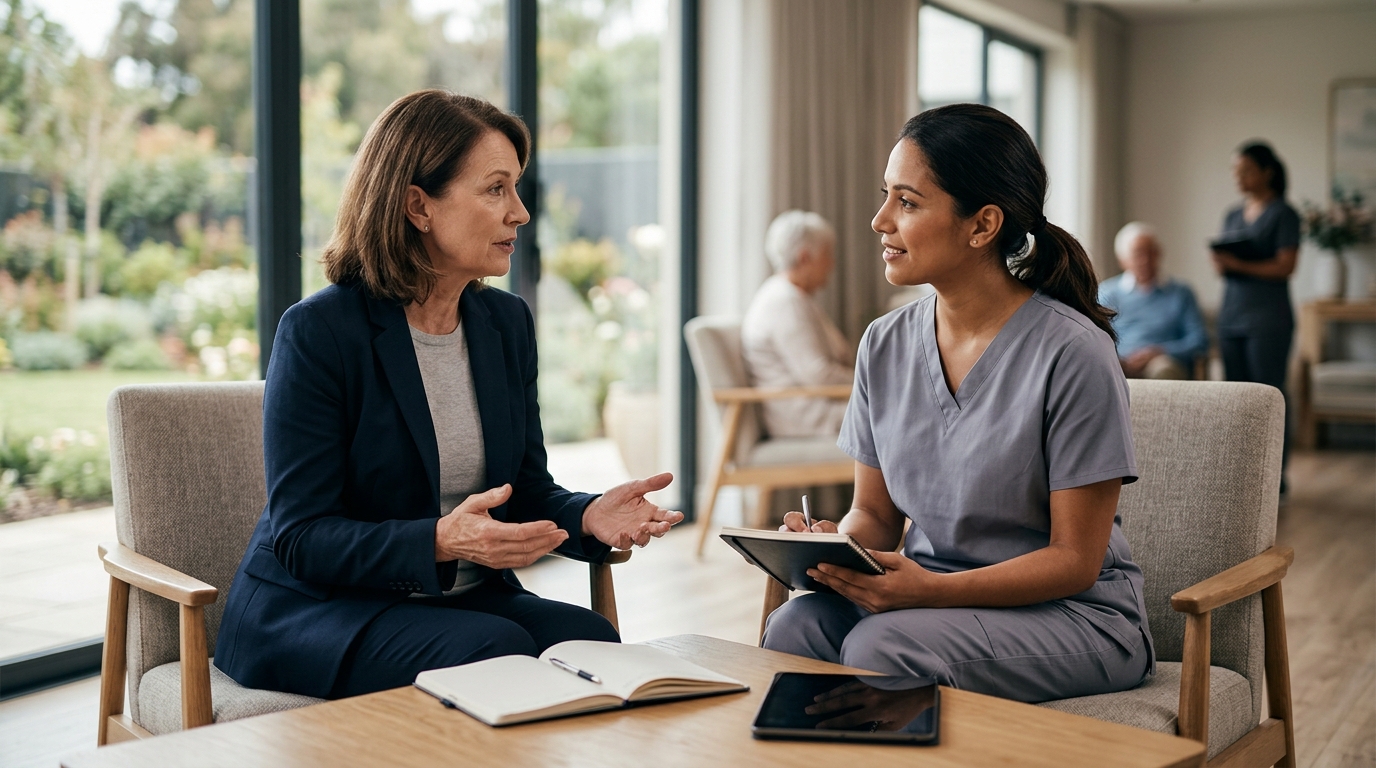
Senior care consultants must hold active clinical licensure, possess deep regulatory knowledge, and demonstrate proven leadership experience to improve facility compliance. Sr. Care Solutions emphasizes that effective consultants bridge the gap between clinical operations and federal standards. This expertise ensures that facilities maintain safe, high-quality care while navigating complex survey requirements and operational challenges. according to Office of Early
The Critical Role of Clinical Licensure
Clinical licensure is the foundational requirement for any senior care consultant working in post-acute settings. A consultant is a licensed professional who holds an active registration in their state of practice. Without this credential, a consultant cannot legally perform clinical assessments or direct nursing care. Federal regulations require that nursing leadership roles be filled by registered nurses. This baseline ensures that the individual understands the clinical realities of the facility they are consulting for.
For skilled nursing facilities, the Director of Nursing must be a registered nurse. Consultants stepping into interim leadership roles must meet this same standard. Sr. Care Solutions provides interim leaders who hold active RN licenses. This ensures that the consultant can make informed clinical decisions. It also builds immediate trust with the existing nursing staff. When a consultant lacks clinical licensure, they cannot effectively evaluate care quality or identify safety risks.
Regulatory Knowledge and Survey Readiness
Regulatory knowledge is the second pillar of effective consulting. A compliance consultant is a specialist who understands federal and state laws governing long-term care. These laws include the Conditions of Participation for Medicare and Medicaid. Consultants must know how to prepare for surveys and how to respond to deficiencies. This knowledge is not static. Regulations change frequently, requiring consultants to stay current with the latest guidance from the Centers for Medicare & Medicaid Services. according to Publication of the
Surveys are high-stakes events for facilities. A consultant with strong regulatory knowledge can conduct mock surveys and identify gaps before state surveyors arrive. Sr. Care Solutions offers regulatory support and mock survey services. This proactive approach helps facilities maintain their certification. It also reduces the risk of penalties or corrective action plans. Consultants who lack this specific regulatory expertise may miss critical compliance issues that could jeopardize the facility's license. according to Care Quality Commission
Leadership Experience in Post-Acute Settings
Leadership experience is essential for consultants who aim to improve operational compliance. A senior care consultant is a professional who guides facility management through complex organizational challenges. This requires more than technical knowledge. It requires the ability to lead teams, manage change, and communicate effectively with stakeholders. Consultants should have experience in roles such as Director of Nursing, Administrator, or Director of Health Services. according to Nursing Home Enforcement
Facilities often face staffing shortages and leadership vacancies. A consultant with proven leadership experience can step in and stabilize operations. Sr. Care Solutions provides interim leadership for hospice and home care agencies. These leaders bring a track record of managing teams and improving outcomes. They understand the pressures of running a facility. This experience allows them to implement sustainable changes rather than temporary fixes. Consultants without leadership experience may struggle to gain the respect and cooperation of facility staff.
Specialized Training in Reimbursement and Operations
Specialized training in reimbursement and operations is a key differentiator for senior care consultants. A reimbursement consultant is an expert who understands how facilities are paid for the care they provide. This includes knowledge of case mix, documentation requirements, and billing codes. Consultants with this expertise can help facilities optimize their revenue while ensuring compliance. They can identify documentation gaps that may lead to denials or audits. according to Report Access to
Operational efficiency is closely tied to compliance. Consultants should understand how to analyze operational systems and identify areas for improvement. Sr. Care Solutions provides operational and clinical systems analysis for home care agencies. This includes reviewing electronic health record configurations and clinical documentation. By aligning operations with compliance requirements, consultants help facilities run more smoothly. This reduces the risk of errors and improves the overall quality of care.
Commitment to Continuous Education
Commitment to continuous education is a hallmark of a qualified senior care consultant. The healthcare landscape is constantly evolving. New regulations, technologies, and best practices emerge regularly. Consultants must engage in ongoing professional development to stay current. This includes attending conferences, completing continuing education units, and participating in professional organizations.
Facilities benefit from consultants who are committed to learning. Sr. Care Solutions offers training and education services for nursing leadership. This includes mentoring and customized training topics. Consultants who invest in their own education can bring the latest insights to their clients. They can help facilities adopt new best practices and avoid common pitfalls. This commitment to growth ensures that the consultant remains a valuable resource for the facility. according to Long Term Care
Key Takeaways
- Clinical licensure is the non-negotiable foundation for any senior care consultant.
- Deep regulatory knowledge is essential for preparing facilities for surveys and maintaining certification.
- Proven leadership experience in post-acute settings allows consultants to stabilize operations and guide teams.
- Specialized training in reimbursement and operations helps facilities optimize revenue and efficiency.
- Continuous education ensures that consultants stay current with evolving regulations and best practices.
- Consultants should have a track record of improving compliance and quality of care in their previous roles.
Frequently Asked Questions
What is the minimum education required for a senior care consultant?
Most senior care consultants hold a bachelor's degree in nursing or a related healthcare field. Many also hold advanced degrees or certifications in healthcare administration. The specific requirements depend on the role and the type of facility being consulted.
Do consultants need to be licensed in the state where they work?
Yes, consultants must hold an active license in the state where they are providing services. This ensures that they are authorized to practice and make clinical decisions in that jurisdiction.
How does a consultant improve facility compliance?
Consultants improve compliance by conducting assessments, identifying gaps, and implementing corrective actions. They also provide training and mentorship to facility staff. This helps ensure that compliance is maintained over time.
What is the difference between a consultant and an interim leader?
A consultant provides advice and guidance but does not take on a formal leadership role. An interim leader steps into a specific position, such as Director of Nursing, and assumes the responsibilities of that role for a set period.
How long does it take for a consultant to make an impact?
The timeline varies depending on the scope of the engagement and the specific challenges the facility is facing. Some improvements can be seen within weeks, while others may take several months to implement fully.
Can a consultant help with both clinical and operational issues?
Yes, many senior care consultants have expertise in both clinical and operational areas. This allows them to provide a holistic approach to improving facility performance and compliance.
Conclusion
Selecting the right senior care consultant is a critical decision for any post-acute facility. The qualifications of the consultant directly impact the facility's ability to maintain compliance and deliver high-quality care. Sr. Care Solutions brings a team of experienced professionals who meet these essential qualifications. Their expertise in clinical licensure, regulatory knowledge, and leadership ensures that facilities receive the support they need. To learn more about how their consulting services can benefit your facility, contact Sr. Care Solutions today.