
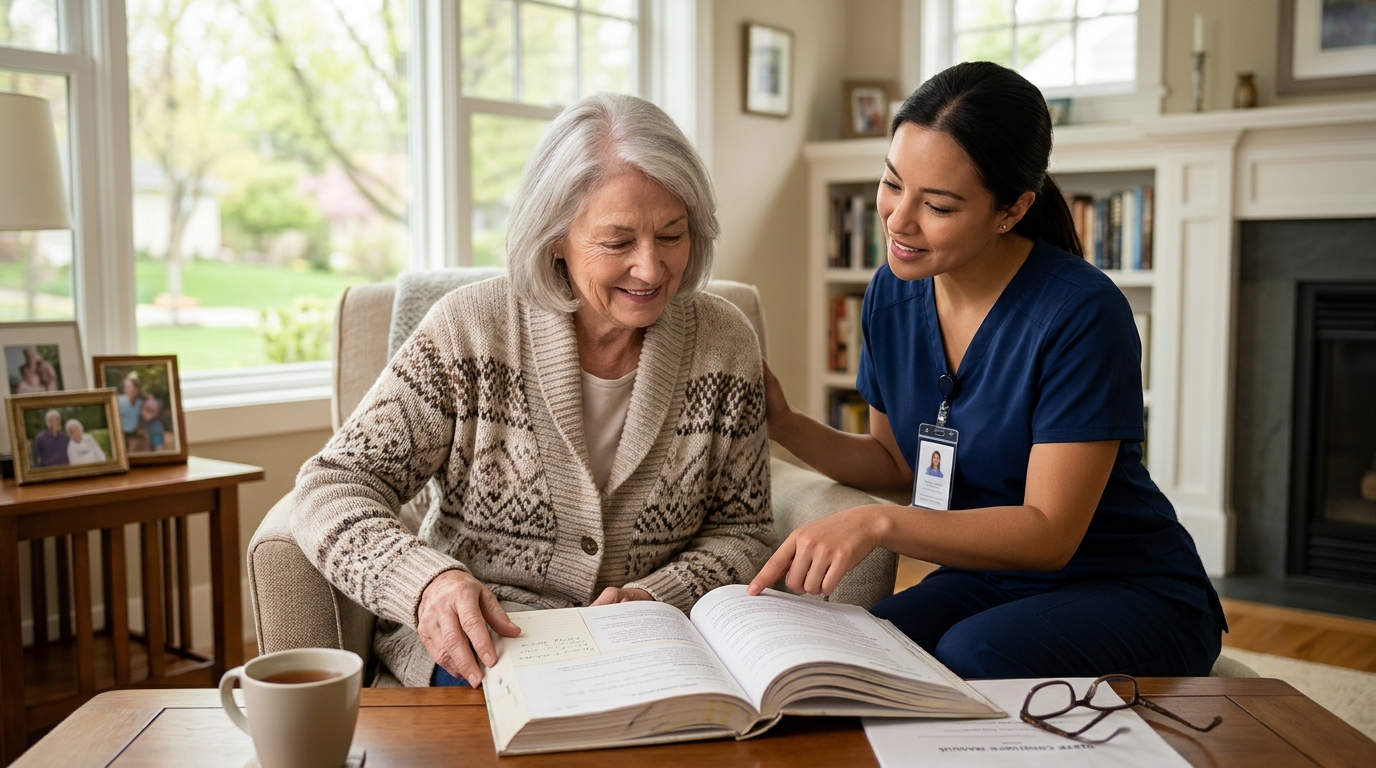
Home health aide (HHA) training is a structured educational process that prepares caregivers to deliver safe, person-centered care in private residences. In Minnesota, agencies must ensure their aides meet specific state and federal competency standards before allowing them to work independently. Senior Care Solutions supports homecare organizations in Minnesota by providing the educational frameworks and interim leadership needed to maintain high-quality training programs.
1. Verify State and Federal Prerequisites
Confirm that all candidates meet the minimum entry requirements before starting the curriculum. Minnesota follows federal guidelines that require HHAs to complete a minimum of 75 hours of training. This includes 40 hours of classroom instruction and 35 hours of supervised practical experience. Agencies must verify that candidates have the necessary background checks and health screenings prior to enrollment.
2. Develop a Comprehensive Curriculum
Design a syllabus that covers all required clinical and non-clinical competencies. The curriculum must include topics such as infection control, emergency procedures, and basic nursing skills. It should also address the ethical and legal responsibilities of working in a home environment. A well-structured curriculum ensures that aides are prepared for the diverse needs of the residents they serve.
3. Implement Classroom Instruction
Deliver 40 hours of didactic learning to build foundational knowledge. This phase involves lectures, case studies, and interactive discussions led by qualified instructors. The content should cover the physical and psychosocial aspects of aging. Effective classroom instruction provides the theoretical basis that aides will apply during their practical training.
4. Conduct Supervised Practical Experience
Provide 35 hours of hands-on practice under the supervision of a registered nurse. Aides must demonstrate their ability to perform tasks such as bathing, dressing, and feeding residents safely. The supervising nurse must evaluate the aide's performance against specific competency standards. This practical phase is critical for ensuring that theoretical knowledge translates into safe, real-world care.
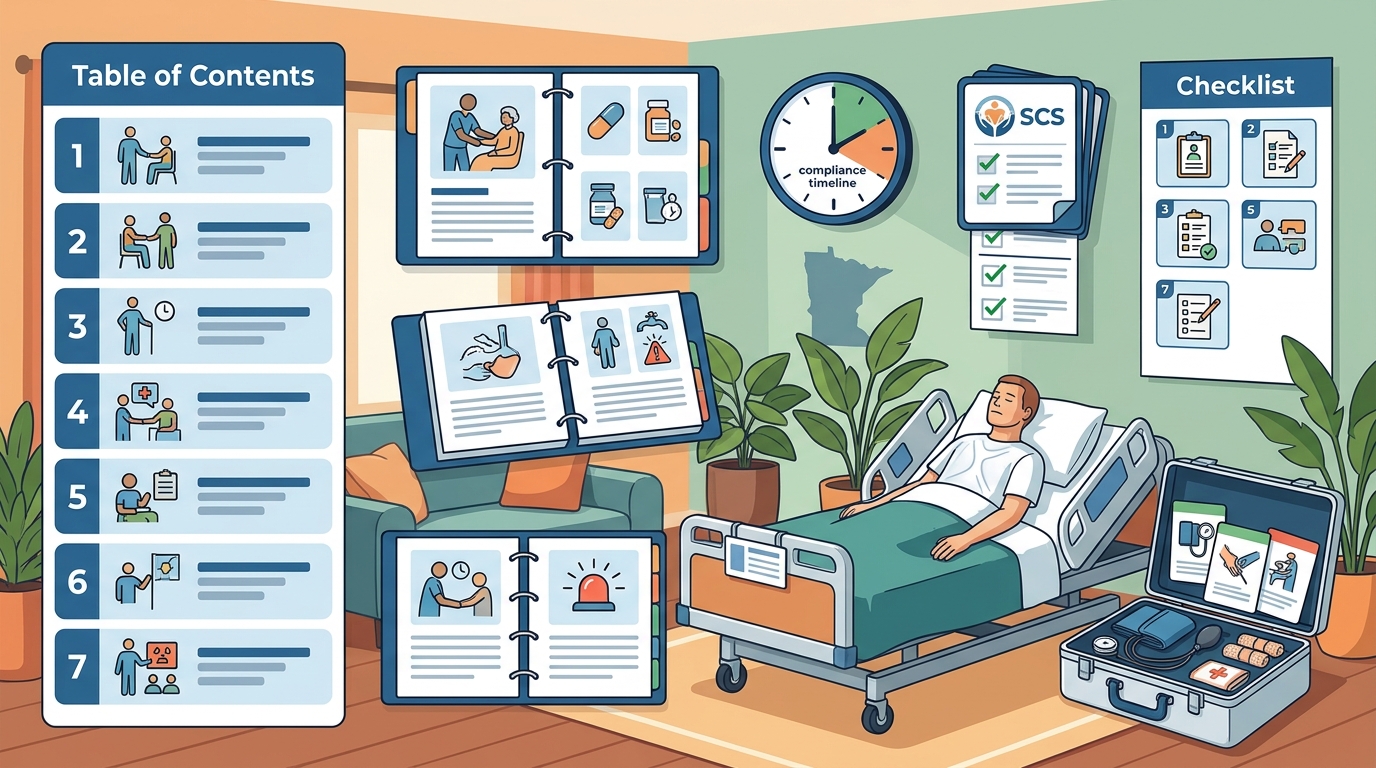
5. Perform Competency Testing
6. Maintain Detailed Training Records
Keep accurate and accessible documentation of all training activities and outcomes. Records must include the hours completed, the topics covered, and the results of competency tests. These files must be available for review by state surveyors and accreditation bodies. Proper record-keeping protects the agency and ensures accountability in the training process.
7. Schedule Ongoing Continuing Education
Establish a plan for regular refresher training to keep skills current. Minnesota requires HHAs to complete continuing education to maintain their competency. This ongoing training helps aides adapt to new care techniques and regulatory changes. Senior Care Solutions offers customized training topics that help agencies stay compliant and improve care quality over time.
Choosing the Right Training Approach
When selecting a training method, agencies should prioritize consistency and regulatory alignment. A standardized curriculum delivered by experienced educators ensures that all aides meet the same high standard. Partnering with a specialized consulting firm can streamline this process and reduce the administrative burden on your internal team.
Frequently Asked Questions
How many hours of training are required for HHAs in Minnesota?
Minnesota requires a minimum of 75 hours of training, which includes 40 hours of classroom instruction and 35 hours of supervised practical experience.
Who is responsible for supervising the practical training?
A registered nurse (RN) or a qualified instructor must supervise the practical experience to ensure that aides are performing tasks safely and correctly.
What happens if an aide fails a competency test?
If an aide fails a competency test, they must receive additional training and be retested before they can work independently with clients.
How often must HHAs complete continuing education?
Continuing education requirements vary, but agencies should schedule regular refresher courses to ensure that aides remain proficient in current care standards.
Can Senior Care Solutions help with HHA training?
Yes, Senior Care Solutions provides customized training and competency testing services for homecare agencies in Minnesota to ensure regulatory compliance.
Next Steps for Your Agency
Ensuring your homecare agency is fully compliant with HHA training requirements is essential for providing safe and effective care. By following these seven steps, you can build a robust training program that meets state standards and supports your staff's professional growth. To learn more about how we can support your training initiatives, at Senior Care Solutions today.